
"warum in die Ferne schweifen,
sieh' das Gute liegt so nah"
Plus pres du paradis, c'est ici....

The Périgord, which was inhabited by man as far back as 450,000 years ago,
is a historic territory of exception. The shelters and caves of the Vézeres valley
offer the public a unique testimonial of the lifestyle of our ancestors.
This land still abounds with the vestiges of gallo-roman cities,
religious buildings (Romanesque art) and medieval forts.
With the discovery of prehistoric caves and shelters,
the history of the Périgord goes back well beyond any date.
However, one can reasonably assert that the history
of the Périgord began in the Roman period,
when the inhabitants of the Dordogne were the 'Petrucores'.
The first traces of the emergence of our Périgord territory
date to its attachment to the Roman province of Aquitaine.
In the 10th century the Périgord was divided into baronnies:
Beynac, Biron, Bourdeilles, and Mareuil.
In the 12th century, the Périgord became a 'Province' and the
abbeys of Boschaud, Cadouin, Chancelade and Sarlat were built.
Following the French Revolution, the Constitute established the 'Departement Dordogne',
and defined its communes and cantons.
Despite the rural exodus of the 19th century,
agriculture remained an important activity and was complemented
in the 20th century by the development of tourism.

Le Périgord - The region of '1001' Chateaux, Romanesque churches,
prehistoric grottoes, many times admired and described by famous writers
like Henry Miller, Jules Verne and others.

Countless castles and manor houses, old villages, typical Périgord hamlets and
fortified hilltop towns follow each other in beauty spots
that change with the passing seasons.

*

Breathtaking views of valleys, undulating patch-works of fields and small forests,
exuding in all seasons the distinctive aroma of the Périgord.
In autumn truffles, wild mushrooms, figs, wine harvest;
duck, goose, confit in winter.
Springtime brings its abundance of fruits.

*

Now, after a long and eventful history,
it has all the characteristics of an age-old region,
with an outstanding heritage.
Though full of history and old culture,
the people still manage to retain a certain human warmth.

******
I will take you during this year on an excursion
through this wonderful part of France were we live - Le Périgord
And we start today in Lusignac,
a small pittoresque village, situated on a hilltop,
just 5 minutes drive from were I live.

The Chateau in Lusignac

The Manor house next to the Chateau


The 11th-12th Century Romanesque Church


next to the Church and just opposite the Chateau
the small Restaurant with a wonderful panoramic view right over the valley,
and during winter on clear days one can see just a bit of our house


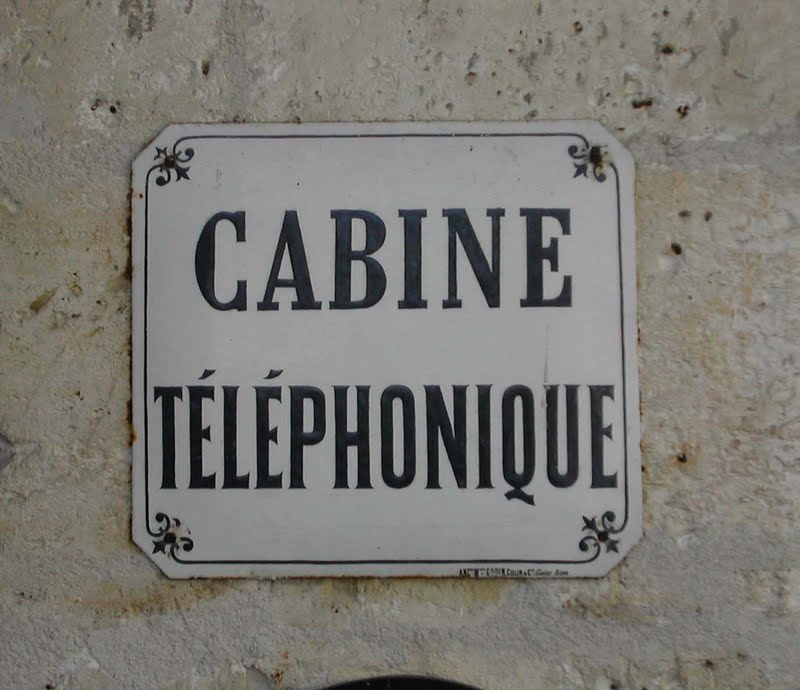
beautiful old signs
 old village houses in lime stone, typical for this part of the Périgord - 'Le Périgord blanc'
and

of course - lots of roses....

a lovely weathercock on the roof of a 19th Century house

original and typical Périgordian lime stone wall and entrance to an 17th century house

a rather modern 20th gate!
*
On my way back from Lusignac - A fairy tale...

"Mein Dornroeschenschloss" - "My Sleeping Beauty Castle"

one of my favorite Chateaux


mainly inhabited during the summer

and still remains in the old French family - heuresement!


*
nearly at home, down in the valley

a fishing lake with the most wonderful waterlily's - breathtaking!


"One day, France may no longer exist,
but the Périgord will survive,
just like the Dreams that nourish the human soul"
Henry Miller - "The colossus of Maroussi"*
To be continued....
*

'Périgordian' Peonies

freshly picked

Bon Week-End!

